Title: Turkish Coffee vs Espresso: Decoding the Differences for Authentic Taste
Opener: What separates a morning cup of coffee from a lifelong ritual? Context, culture, and tradition. The former is what you'll find at most specialty cafes—a freshly roasted bean, expertly brewed to showcase its unique flavors. But the latter requires a deeper dive into the world of coffee beyond the usual specialty scene. Enter Mizaaj Coffee Company, where we celebrate cultural coffee traditions with modern flair and global perspectives.
Today, let's explore two distinct ways of brewing coffee that embody the essence of their respective regions: Turkish coffee and espresso. While both methods produce potent, rich drinks, they do so in vastly different ways—and each carries its own unique cultural significance. So, grab a cup (or three) and let's decode these differences for an authentic taste experience.
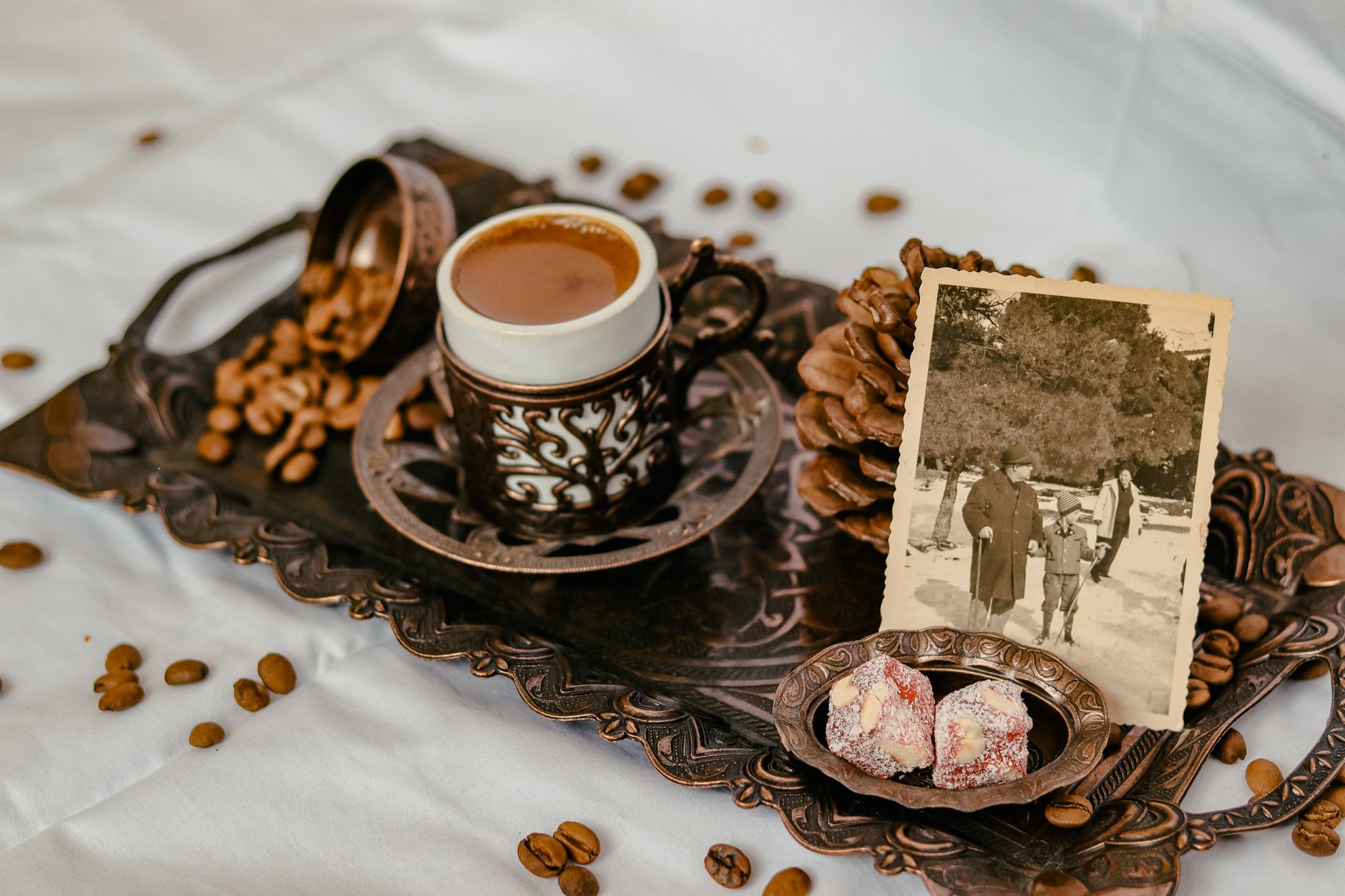
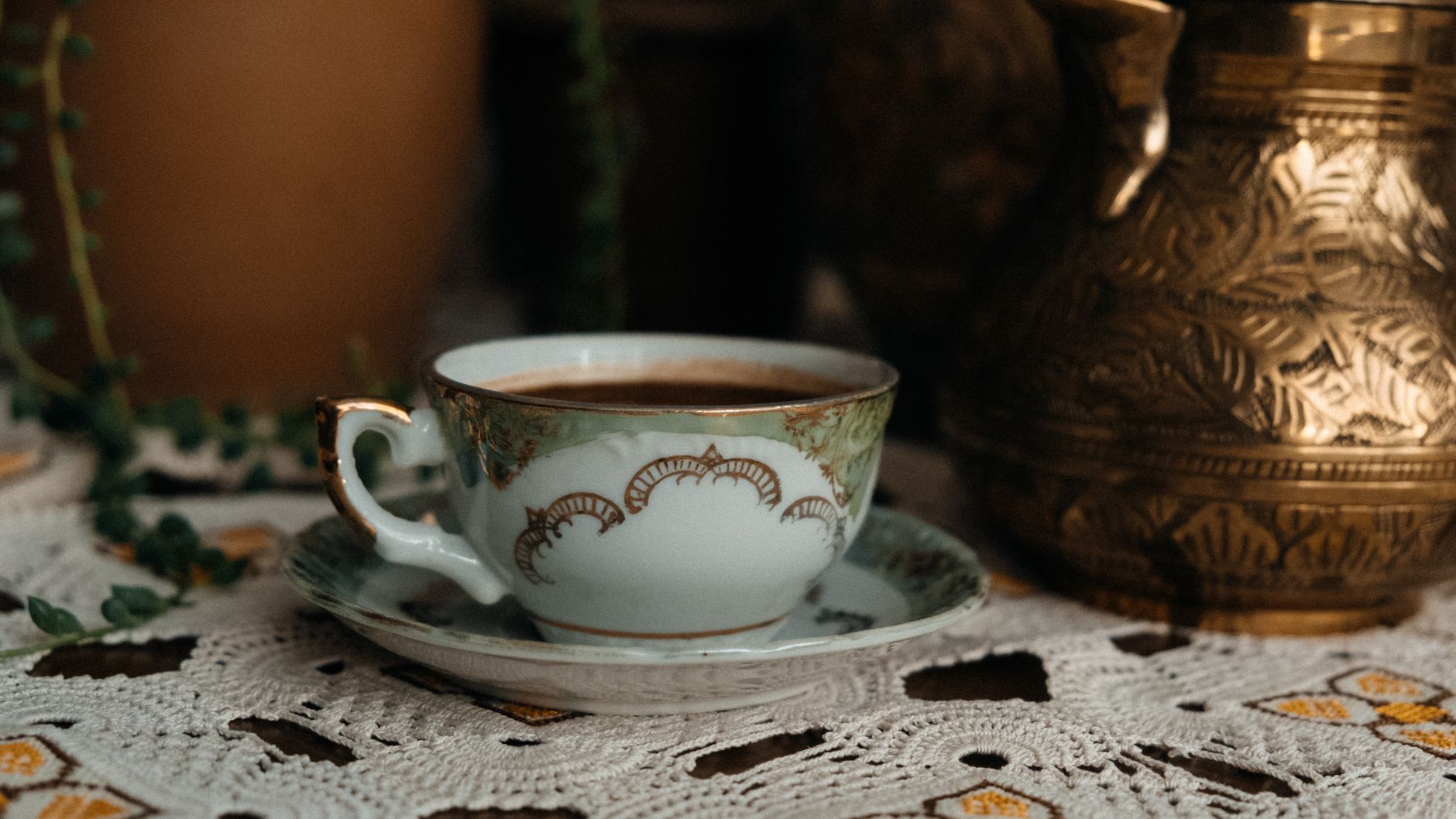
Body: Turkish Coffee: A Cultural Icon with a Strong Kick Turkish coffee, also known as "black" or "Arabic" coffee, has been a staple in Middle Eastern cultures for centuries. This traditional method involves finely grinding coffee beans and then boiling them in a special pot called a cezve or ibrik. The brew is served directly from the pot into small, ornate cups—and it packs quite the punch.
The preparation process itself is part of the ritual, with each step imbued with cultural significance: grinding the beans by hand, watching as they bubble and froth in the cezve, and sipping from tiny cups that magnify the experience. In Turkey, it's customary to read coffee grounds for future insights—a practice known as tasseomancy.
Espresso: The Italian Staple with a Smooth Finish On the other side of the Mediterranean lies Italy, home to another iconic coffee tradition: espresso. This method involves forcing hot water through finely ground coffee beans under high pressure, resulting in a concentrated, rich brew that's typically served in small portions called "espressos" or "doppios" (double shots).
Espresso culture is all about speed and efficiency—a quick shot of caffeine to kickstart your day. Italians take their espresso seriously, with strict rules governing everything from bean origin to brewing temperature. And while it may lack the cultural rituals of Turkish coffee, it more than makes up for it with its smooth finish and robust flavor profile.
Comparing the Two: Emotional Connection vs Freshness When you walk into most specialty cafes, you'll find espresso machines humming away, serving up shot after shot of freshly brewed espresso. The focus here is on bean origin flex—single-origin beans sourced from the world's best growing regions—and the resulting freshness that comes with it.
But at Mizaaj Coffee Company, we take a different approach: bringing a modern vibe to nostalgic, cultural coffee traditions—not competing on freshness or bean origin flex, but on emotional connection and global perspective. We believe that by embracing these cultural coffee rituals, we can create deeper connections with our customers while celebrating the diverse ways people experience coffee around the world.
Close: So next time you reach for your morning cup, consider stepping outside of your comfort zone—try a Turkish coffee in the afternoon or an espresso in the evening. Embrace the cultural rituals that make these brews unique and let them transport you to another corner of the globe. And remember: it's not just about the coffee itself, but the story behind each sip.