Espresso Has Not Always Tasted the Way It Does Now
If you ordered an espresso in Naples in the 1970s, it would taste noticeably different from what a contemporary specialty cafe in Seattle or Copenhagen serves today. Both are called espresso. Both use the same brewing mechanism. But the bean selection, roast level, and flavor philosophy behind them are quite different. Understanding that gap helps you make better decisions about what you are actually buying when you choose an espresso blend.
The Traditional Italian Approach
Traditional Italian espresso blends — particularly from the South — lean heavily on medium-to-dark roasts and typically include a meaningful percentage of Robusta alongside Arabica. The Robusta adds body, reduces acidity, and creates the dense, persistent crema that Italian espresso drinkers value. The flavor profile tends toward chocolate, roasted nuts, dried fruit, and a bittersweet backbone. It is designed to be consumed quickly, often standing at a bar, and to punch through milk in a cappuccino without losing character.


The Modern Specialty Approach
Contemporary specialty espresso blends use exclusively or predominantly Arabica, roasted significantly lighter than the Italian tradition. The goal is to highlight the origin character of the beans — fruit-forward, acidic, floral — and to produce espresso that is transparently traceable to specific farms or regions. This approach works well for those who drink espresso straight and value complexity. It can produce thin crema and high acidity that overwhelms or disappears in milk beverages.
Neither Is Objectively Better
The specialty movement tends to frame lighter roasts and single-origin Arabica as progressive improvements over the traditional model. This framing is partially a marketing position. The traditional approach was not an accident or a compromise — it was an optimized solution for a specific social context, a specific brewing tradition, and a specific customer expectation. Calling it outdated misunderstands why it works as well as it does for the people who grew up with it.
What This Means for Cultural Coffee Traditions
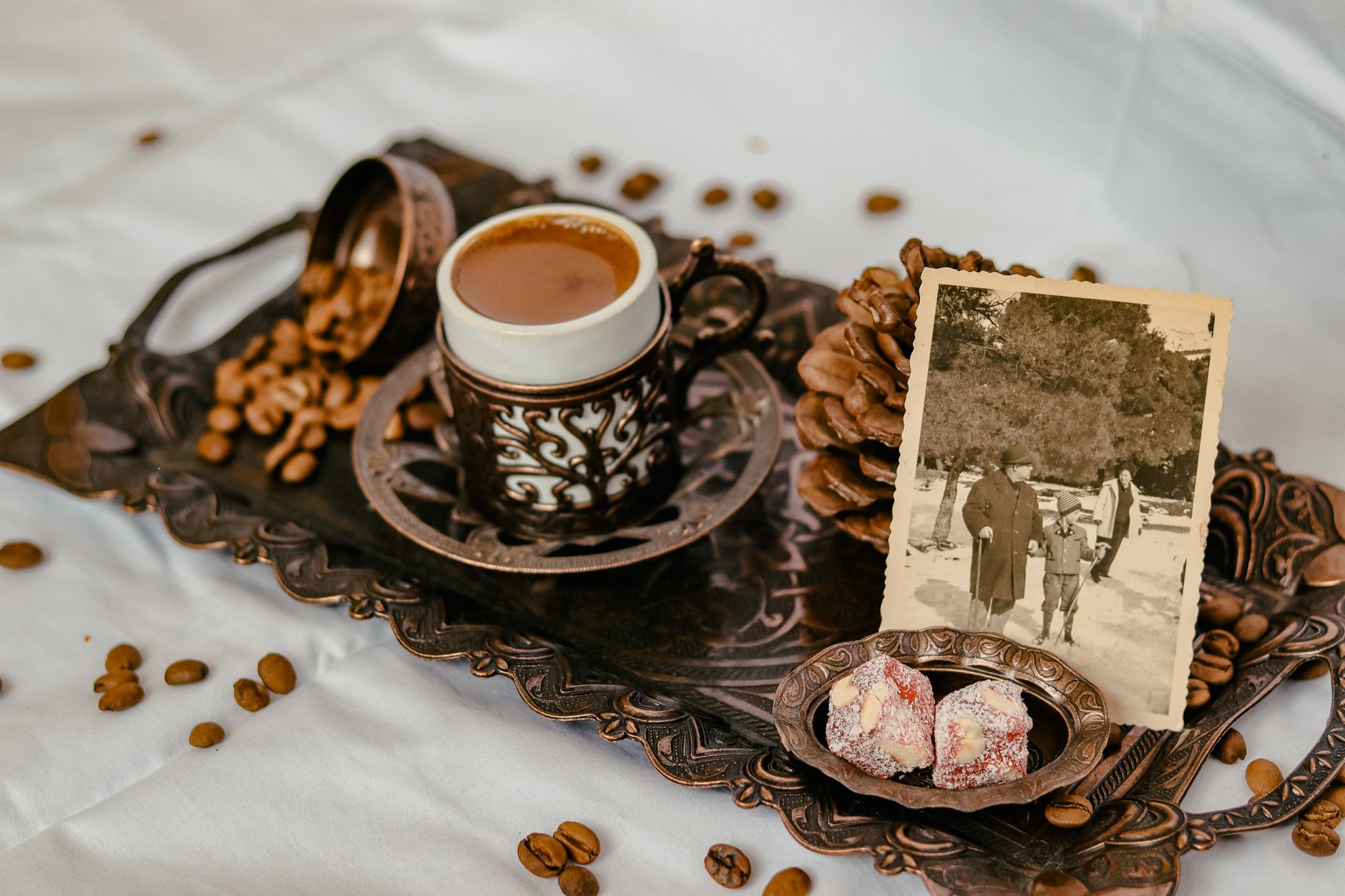
Levantine and Turkish coffee blends occupy a similar position to traditional Italian espresso in this landscape: they are medium-to-dark roasted, designed for unfiltered preparation, and optimized for a specific mouthfeel and flavor outcome that modern specialty roasting norms do not validate. For diaspora communities seeking these coffees, the specialty market's preference for lighter roasts and single-origin Arabica is largely irrelevant. The question is whether the product in front of them produces the cup they are looking for.
Choosing the Right Blend for Your Context
If you drink espresso primarily in milk-based drinks, a traditional-style blend with some Robusta and a medium-dark roast will hold up better and produce a richer result. If you drink espresso straight and enjoy fruit-forward acidity, a modern specialty blend will reward you. If you are making Levantine or Turkish coffee, neither framework fully applies — you need a blend designed specifically for that preparation, with the appropriate roast level and grind specification for a cezve.