
A Term Worth Defining Carefully
Heritage roasted coffee is a phrase used in different ways by different roasters, but its most meaningful application points to something specific: roast profiles developed within a cultural tradition rather than optimized for contemporary specialty coffee tasting metrics. Heritage roasting is not about old technology or artisanal aesthetics for their own sake. It is about preserving the flavor outcomes that a particular community built their coffee culture around.
What Makes a Roast Profile Traditional
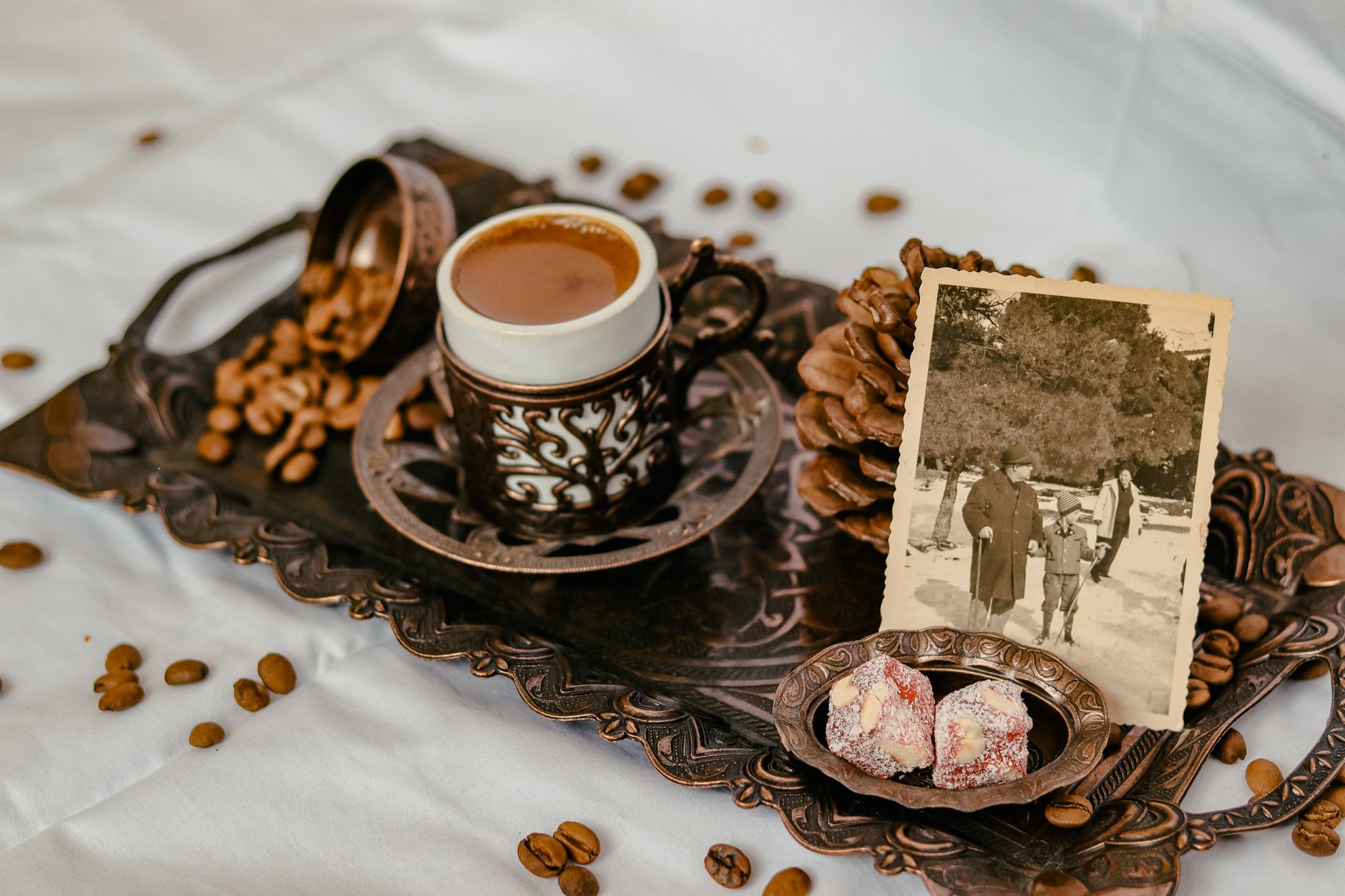
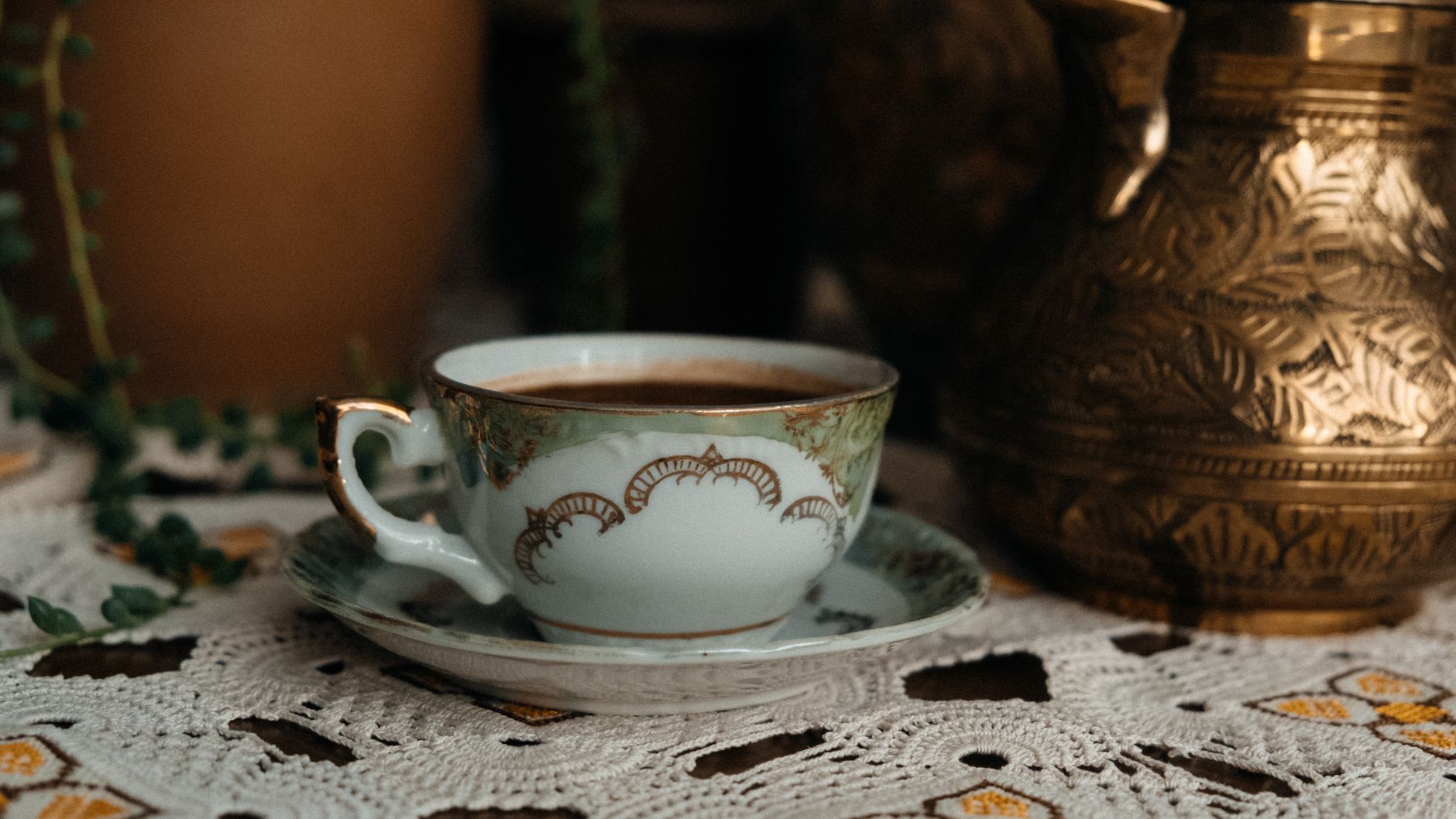
Every regional coffee tradition developed its roast profile in response to the beans available, the brewing method in use, and the flavor outcomes the culture valued. Turkish coffee traditionally uses a medium-to-medium-dark roast that preserves some of the bean's sweetness while developing the bittersweet character that pairs with sugar and spice in the cezve. Arabic qahwa uses a very light roast — sometimes described as blonde or green-gold — because the tradition values the bean's earthy, grassy quality rather than the caramelized notes of darker roasting. Ethiopian ceremonial coffee uses a fresh, medium roast applied to heirloom varieties that would be considered exotic in Western specialty contexts.

How This Differs From Modern Specialty Roasting
Contemporary specialty roasting has moved toward lighter roasts to preserve origin character and acidity — a philosophy developed primarily around filter coffee consumption in Northern European and North American markets. This philosophy produces excellent results for those methods and audiences. It is not a universal standard. Applied to coffee intended for Turkish or Levantine preparation, a very light specialty roast produces a cup that tastes underdeveloped and lacks the body the brewing method is designed to extract.
The Cultural Continuity Argument
When a diaspora community can access coffee roasted according to their tradition's profile, they can reproduce the actual flavor experience of home. When they are forced to substitute a specialty-market product roasted for a different end use, the result approximates but does not match. That gap — between approximation and actual — is not trivial for communities where food and drink carry the weight of cultural transmission.
What to Look For
When a roaster describes their product as heritage roasted, look for evidence that they understand which tradition they are serving. The roast level, grind specification, and blend composition should all be coherent with a specific cultural preparation method. A roaster who can explain why their Turkish coffee blend is roasted to a specific profile — and what that profile produces in the cup — is a roaster who has done the work.