Why Regional Blends Tell You Something a Single Origin Cannot
Single-origin coffee celebrates the terroir of a specific farm or region. Regional coffee blends do something different — they reflect what a culture decided to do with the coffee it had access to. The blend, the spice additions, the roast level, and the brewing method together tell a story about trade routes, climate, hospitality customs, and what it meant to offer someone a cup. That story is worth exploring on its own terms.
Turkish and Levantine Coffee
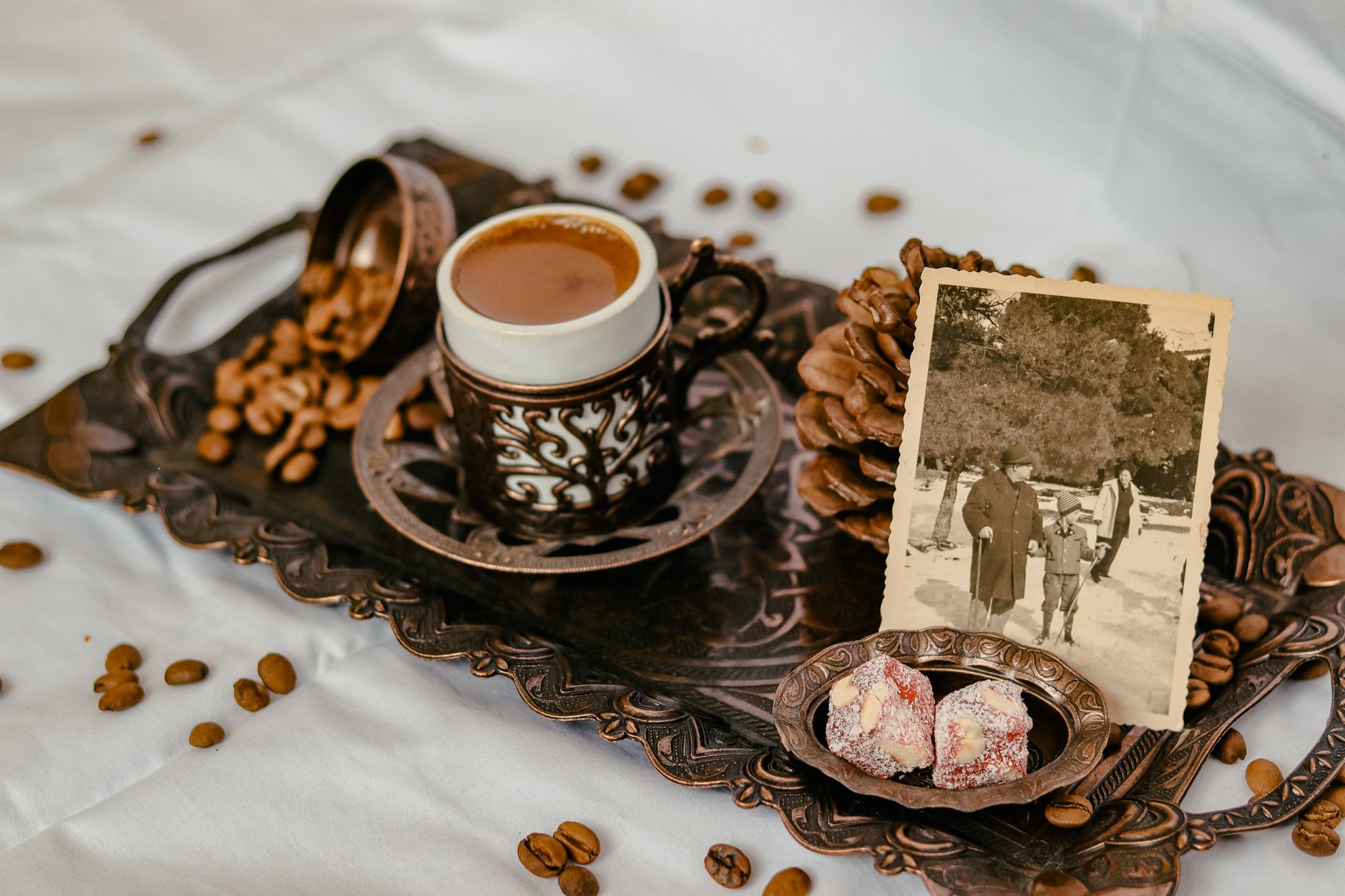
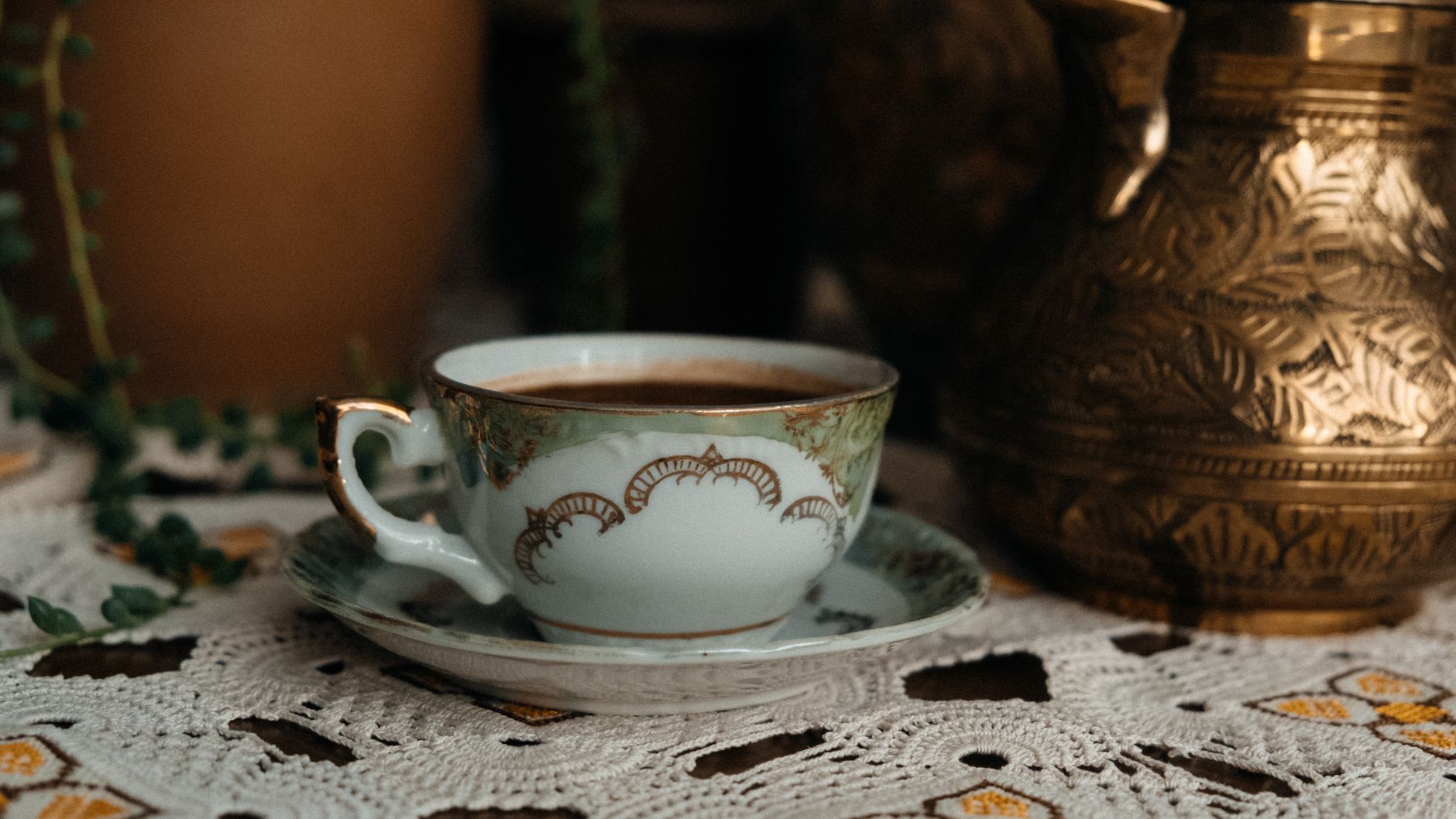
A medium-to-dark Arabica blend, ground to an ultra-fine powder, brewed without filtration in a cezve. Often combined with cardamom in Levantine households. Served in small quantities with deliberate slowness. The cultural function is hospitality and conversation — this is not grab-and-go coffee.


Arabic Qahwa
Used across the Arabian Peninsula, qahwa is brewed from lightly roasted coffee beans with cardamom, saffron, and sometimes rose water or cloves. It is pale in color, low in bitterness, and carries a distinctly floral quality. Served in a dallah pot, poured into handle-less cups, and offered as a gesture of welcome.
Ethiopian Coffee Ceremony
The Ethiopian coffee ceremony uses green beans roasted fresh in a pan, then ground and brewed in a clay pot called a jebena. The coffee is served in three rounds — each progressively weaker — and is accompanied by incense and often popcorn or bread. The ritual can take over an hour. It is one of the most socially elaborate coffee traditions in the world.
Vietnamese Cà Phê
Vietnamese coffee uses a strong, dark Robusta base brewed through a small metal drip filter directly over a glass. Served with sweetened condensed milk, either hot or over ice, it produces a rich, almost caramel-like sweetness that cuts through the Robusta's natural bitterness. The contrast between the strong coffee and sweet milk is the entire point.
Cuban Cafecito
Cuban espresso is brewed with dark roasted, finely ground coffee in a stovetop moka pot and then combined with a small amount of sugar that has been whipped with the first drops of coffee to create a dense espuma on top. This espuma is not the same as steamed milk foam — it is sugar-based and distinctly Cuban in character.
The Common Thread
Every one of these traditions developed independently, yet all share the same logic: coffee is an occasion, not just a caffeine delivery mechanism. The blend, the ritual, and the company are inseparable. Mizaaj Coffee Company was built around that understanding — that bringing authentic global blends to your kitchen is about more than flavor. It is about access to a tradition that deserves to be made correctly.