
One Region, Many Coffee Traditions
The Middle East is not a monolith, and neither is its coffee. From the heavily spiced Arabic qahwa served in the Gulf to the thick, unsweetened Turkish-style brew common in Lebanon and Syria, each country's coffee tradition reflects its climate, trade history, and social customs. Understanding the differences helps you find the blend that actually resonates with you — or with the memory you are trying to recreate.
Turkish-Style Coffee Across the Levant
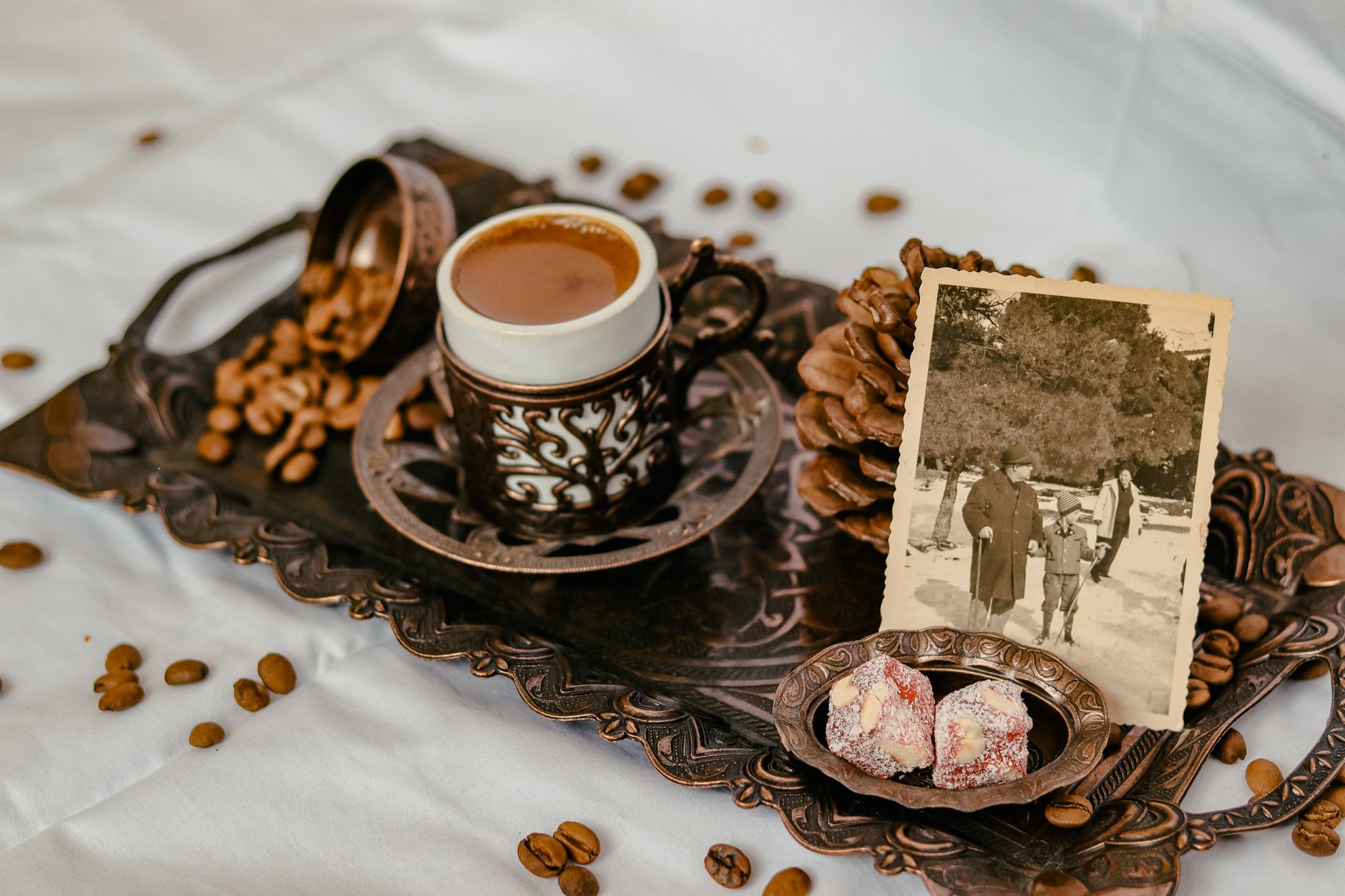
Turkey, Lebanon, Syria, Palestine, and Jordan all share variations of the same basic preparation: finely ground coffee brewed in a small pot with water and sometimes sugar. The differences lie in the ratio, the sweetness preference, and small additions. Lebanese coffee is often served with orange blossom water. Syrian households sometimes add a pinch of mastic. The unifying element is the thick, sediment-rich texture and the slow, unrushed ritual of drinking it.


Arabic Qahwa — The Gulf Tradition
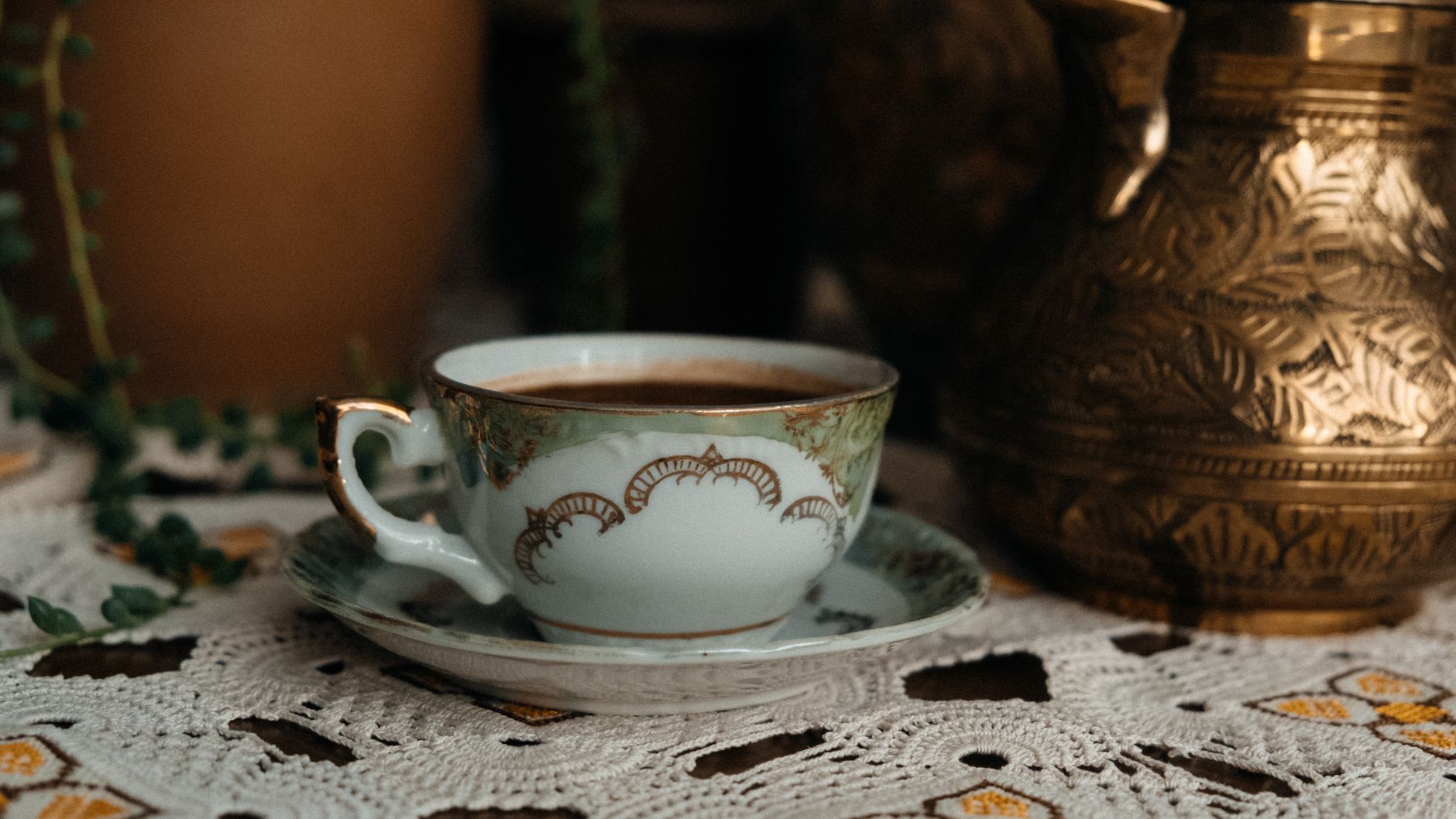
Arabic qahwa is strikingly different. It uses lightly roasted green-gold beans combined with cardamom, saffron, and sometimes cloves. The result is a pale, almost yellow liquid that is earthy, floral, and low in caffeine relative to its volume. It is poured from a traditional dallah pot into small handle-less cups and served as an expression of hospitality. This is not an espresso tradition — it is a slow, ceremonial beverage.
Yemeni Coffee — The Origin Point
Yemen holds a special place in coffee history. The port of Mocha gave the world one of its earliest traded coffees, and Yemeni farmers still grow a distinctive heirloom variety with a wine-like, fruit-forward profile. Yemeni coffee blends today often reflect that heritage — deeper, more complex, and less dependent on spice additions because the bean itself carries unusual character.
Finding an Authentic Blend Online
When shopping for Middle Eastern coffee blends, read the description closely. A genuine blend will tell you what spices are included, whether the grind is appropriate for your brewing method, and ideally where the beans originate. Blends labeled simply as "Arabic coffee" vary enormously in quality and composition. Look for sourcing transparency and a roaster who connects the product to a specific tradition rather than a generic regional label.
The Emotional Logic of These Blends
For anyone raised around these coffees, the blend is rarely just about flavor. It carries the specific weight of how it was offered, who made it, and what it signaled about care. Mizaaj was built on that understanding — that coffee can be a cultural artifact as much as a beverage, and that getting the blend right means respecting that history.