Coffee Is Not One Thing
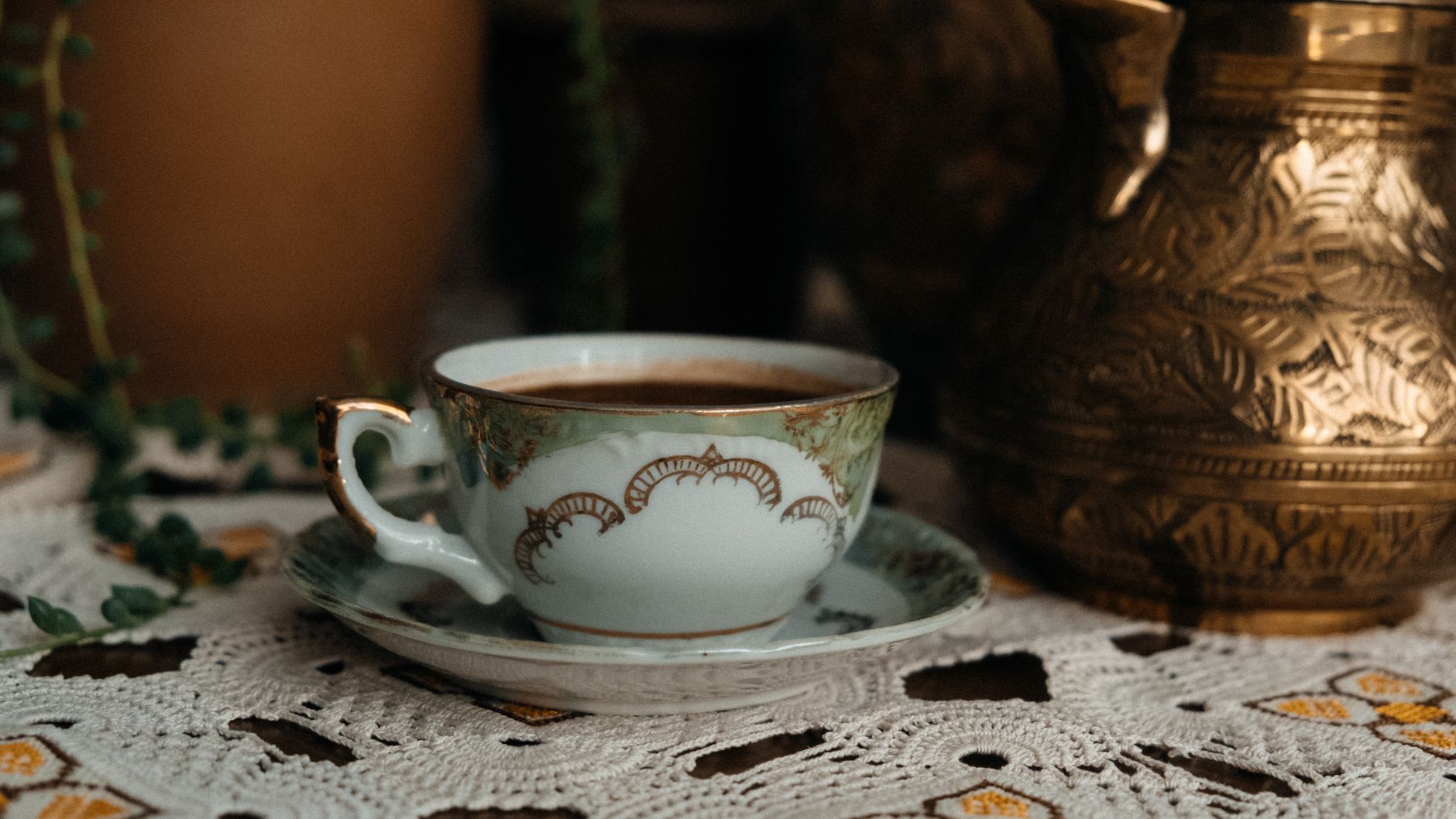
It is easy to think of coffee as a universal category — beans, water, heat — but the ways different cultures have developed around coffee are so varied that "coffee culture" barely functions as a single concept. The ceremonial complexity of an Ethiopian coffee ritual, the speed and social shorthand of an Italian espresso bar, and the slow hospitable pour of Arabic qahwa are not variations on the same theme. They are distinct social technologies that happen to share a plant as their starting material.
The Social Function Shapes Everything
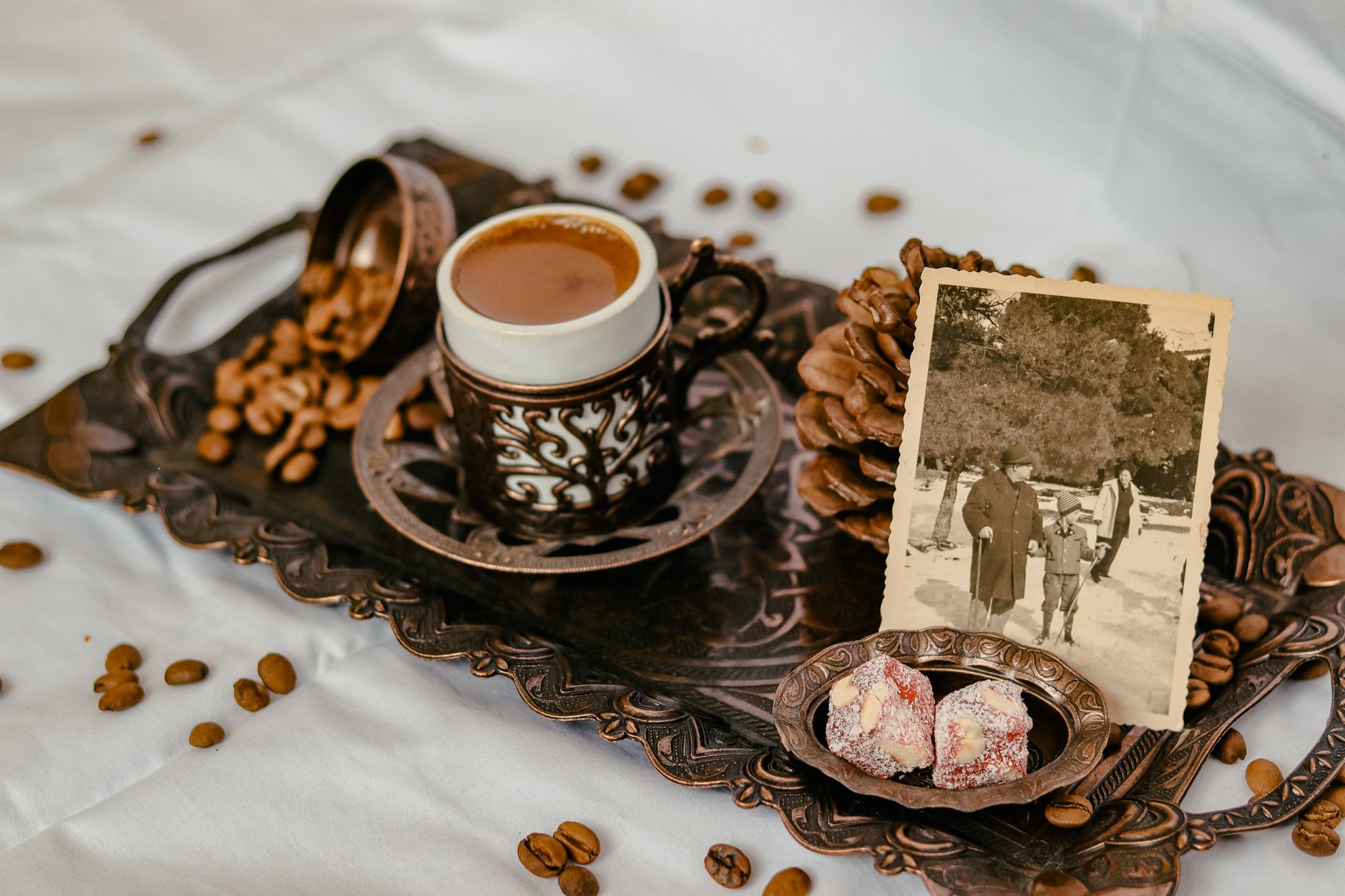
In countries where coffee is a hospitality gesture — Turkey, Lebanon, Ethiopia, Saudi Arabia — the preparation is slow, the cup is small, and refusing or rushing is a social signal. Coffee is the medium through which welcome is expressed. In countries where coffee is primarily a productivity tool — most of Northern Europe and North America — the goal is speed, volume, and consistency. These different social functions explain why the same plant produces such different objects and rituals around the world.


Trade Routes and Available Ingredients
The spices that appear in different coffee traditions reflect what was locally abundant and on nearby trade routes. Cardamom traveled into coffee culture in the Gulf and Levant because it was a common commodity in those trade networks. Cinnamon and orange blossom appear in Moroccan preparations for the same reason. Ethiopian coffee developed without spice additions because the heirloom beans grown there carry enough complexity on their own. The geography of flavor is real.
What Colonialism Did to Coffee Traditions
European colonialism disrupted many regional coffee cultures by displacing local production, standardizing tastes, and eventually creating the global commodity market that most coffee travels through today. Some traditions survived intact because they were tied to domestic practice rather than export. Others were diluted or reframed as "exotic" variants of a norm defined by Western preferences. Understanding this history matters when you talk about authenticity in coffee.
Why Diaspora Communities Maintain These Traditions
For communities living far from their countries of origin, traditional coffee preparation is not nostalgia for its own sake. It is a concrete practice that carries cultural meaning through a sensory experience — the smell, the texture, the ritual, the specific cup. It is one of the easiest and most reliable ways to transmit a cultural inheritance to the next generation. That is why getting the blend, the grind, and the method right matters far beyond the flavor in the cup.
What Gets Lost When Tradition Is Flattened
The specialty coffee movement has done real good — it raised awareness of origin, quality, and farmer compensation. But it also created a new orthodoxy that marginalizes traditions that do not fit its vocabulary. Turkish coffee, Arabic qahwa, and Vietnamese cà phê do not score well on a tasting wheel designed for filter coffee. That does not make them inferior. It makes the tasting wheel incomplete. Global coffee culture deserves to be understood on its own terms, not ranked against a single framework.