Drop a few crushed cardamom pods into a pot of coffee and the whole character of the cup shifts. The drink turns floral and slightly sweet on the nose, rounder on the palate, and somehow lighter even though nothing about the coffee itself changed. For millions of people across the Middle East, the Gulf, and the wider diaspora, this is simply what coffee tastes like. For everyone else, it is a small revelation.
This is a side-by-side look at cardamom coffee versus plain coffee, what the spice does and does not do, and how to decide between adding pods yourself and buying a ready cardamom coffee blend.

What Cardamom Brings to the Cup
Cardamom is one of the most aromatic spices in the world, with a flavor that reads as floral, citrusy, faintly minty, and warm all at once. In coffee it does several things at the same time.
- Aroma: the most immediate change. The cup smells perfumed and inviting before you taste anything.
- Perceived bitterness: cardamom softens how bitter the coffee reads, even without sugar.
- Finish: it adds a long, cooling, slightly sweet aftertaste that plain coffee does not have.
- Body: the cup feels rounder and more complete, especially in strong, unfiltered brews like Turkish or Arabic coffee.
What it does not do is mask poor coffee. Stale or harsh beans still taste stale and harsh under the spice. Cardamom flatters good coffee. It does not rescue bad coffee.
Plain Coffee: The Honest Baseline
Plain coffee, brewed well, gives you the unaltered character of the bean and roast, the acidity, the body, the chocolate or fruit or nut notes the roaster worked to develop. For a single-origin coffee with a distinctive profile, adding cardamom can actually fight the flavors you paid for. This is why you rarely see cardamom paired with a bright, fruity light roast.
Cardamom belongs with darker, fuller, more traditional profiles, the kind of coffee built for strength and ritual rather than for tasting-note nuance. That is the lineage it comes from.
A Tradition, Not a Trend
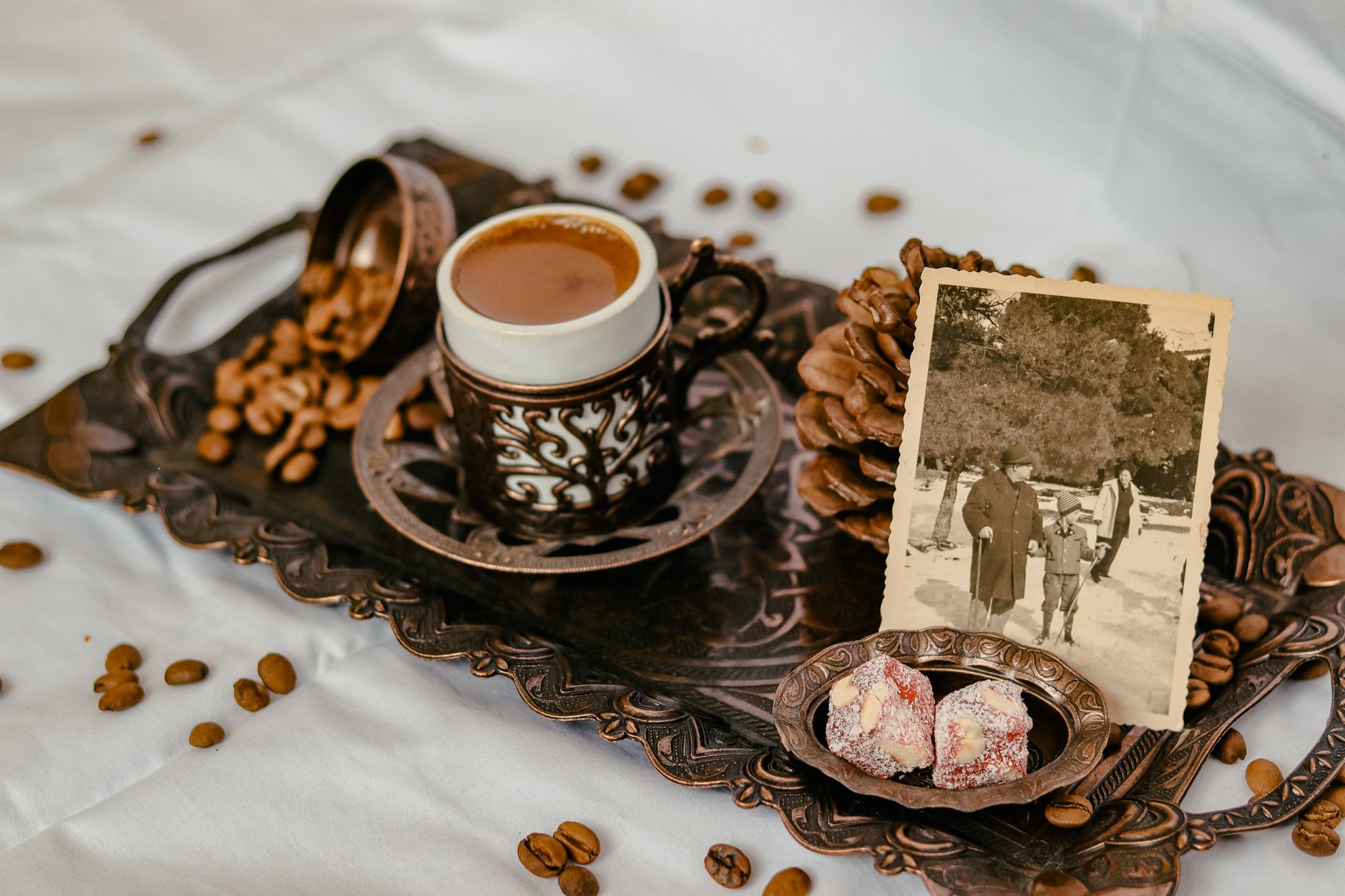
It is worth saying plainly: cardamom coffee is not a flavored-coffee novelty. In Arabic coffee culture, often called qahwa, cardamom is foundational, not optional. The spice is brewed directly with the coffee and the result is served in small cups as a gesture of hospitality, frequently alongside dates. In Turkish coffee tradition, cardamom appears as a well-loved variation. Across many households in the diaspora, a pot without cardamom would not taste like home.
So the comparison is not really new versus old or plain versus flavored. It is two legitimate ways of drinking coffee, each with deep roots. For our customers at Mizaaj, the cardamom cup is often the taste of a grandparent's kitchen, and that emotional weight is the whole point.
Adding Pods Yourself vs Buying a Blend
Both approaches are valid. Here is how to choose.
Adding cardamom yourself
You crush a few green pods, or use a small amount of ground cardamom, and brew them with the coffee. The upside is total control over intensity and absolute freshness, since cardamom loses aroma fast once ground. The downside is consistency. It takes a few tries to find your ratio, and ground cardamom from the back of the cupboard may have lost most of its punch.
Buying a cardamom coffee blend
A ready blend bakes the right ratio into the coffee, so every cup tastes the same and you skip the guesswork. The key is how the cardamom is incorporated. The best blends grind whole cardamom together with the coffee or use a high-quality spice in measured proportion, rather than spraying on artificial flavoring. That distinction is everything. Real ground cardamom tastes layered and alive. Synthetic cardamom flavoring tastes flat and slightly chemical.
If you are new to the style, a blend is the easier on-ramp. If you already love it and want to dial in your own strength, pods give you the most control.
How to Tell a Good Cardamom Blend
- The ingredient list names cardamom, not generic flavoring.
- The aroma is bright and floral, not perfumey in a harsh way.
- The coffee underneath is a quality roast, not filler beans hidden behind spice.
- It is packaged sealed and fresh, because both coffee and cardamom fade quickly.
How Much Cardamom Is the Right Amount
If you decide to add it yourself, restraint matters more than people expect. Cardamom is potent, and too much turns the cup soapy and medicinal rather than warm and floral. A useful starting point is a small amount per serving, roughly the contents of one or two crushed green pods for a single cup, then adjust upward only if you want more presence.
Pods versus ground
Whole green pods, lightly crushed to expose the seeds, give the cleanest and longest-lasting aroma, and they are easy to brew alongside the coffee in a cezve or pot. Pre-ground cardamom is more convenient and blends more evenly, but it loses its volatile oils quickly, so a jar that has sat open for a year will taste like a faint memory of the spice. If you use ground cardamom, buy it in small amounts and replace it often. Avoid black cardamom for coffee, since it is smoky and resinous, a different spice meant for savory cooking. Green cardamom is what belongs in the cup.
Does Cardamom Change the Caffeine or the Health Picture?
Adding cardamom does not meaningfully change the caffeine in your coffee. The caffeine comes from the beans, and the spice is added in tiny amounts. What cardamom can do is let you enjoy a strong cup with less added sugar, because its natural sweetness and aroma make the coffee taste rounder and less bitter on their own. For people trying to cut back on sweeteners without giving up a satisfying cup, that is a real, practical benefit, and it is part of why the tradition pairs spiced coffee with naturally sweet dates rather than spoonfuls of sugar.
Pairings That Make the Cup Sing
Cardamom coffee shines next to certain flavors, which is no accident given the cuisines it grew up in.
- Dates, the classic companion, their caramel sweetness balancing the spiced coffee.
- Pistachio and almond sweets, whose nuttiness echoes the warmth of the cardamom.
- Rosewater or orange-blossom pastries, floral notes that rhyme with the spice rather than clash.
Serve it in small cups, unsweetened or lightly sweetened, and let the pairing carry the sweetness. That is how the cup is meant to be enjoyed.
A Word on Authenticity
As cardamom coffee has spread beyond its home regions, plenty of mass-market versions have appeared that lean on artificial flavoring or a token pinch of stale spice. They taste vaguely of cardamom without any of the warmth and complexity of the real thing. If your only experience of cardamom coffee is one of these, it is worth trying a properly made version before deciding how you feel about the style. The difference is not subtle. A blend that grinds real green cardamom with quality coffee tastes layered, floral, and alive, while a flavored imitation tastes flat and slightly artificial. The tradition is centuries old for a reason, and it deserves to be judged on the genuine cup.
Which Should You Drink?
If you want to taste a specific bean's character, drink it plain. If you want warmth, aroma, a softer cup, and a connection to one of the oldest coffee traditions on earth, reach for cardamom. Most people who try a well-made cardamom cup keep both in the cupboard, plain for the morning, cardamom for the slower moments and for guests. There is no wrong answer, only two good ones.
Sources
- Specialty Coffee Association, coffee flavor and brewing guidance
- Food and Agriculture Organization of the United Nations, spice production and trade overviews